The Versatility Of Flatbed Beavertail Trucks

flatbed beavertail trucks are a popular choice for transporting heavy equipment and machinery due to their versatility and ease of loading and unloading. These trucks feature a flatbed platform with a section at the rear that drops down to create a ramp, making it easy to drive equipment on and off the bed. This design is known as a beavertail, and it is a game-changer for industries that require frequent transportation of large, heavy items.
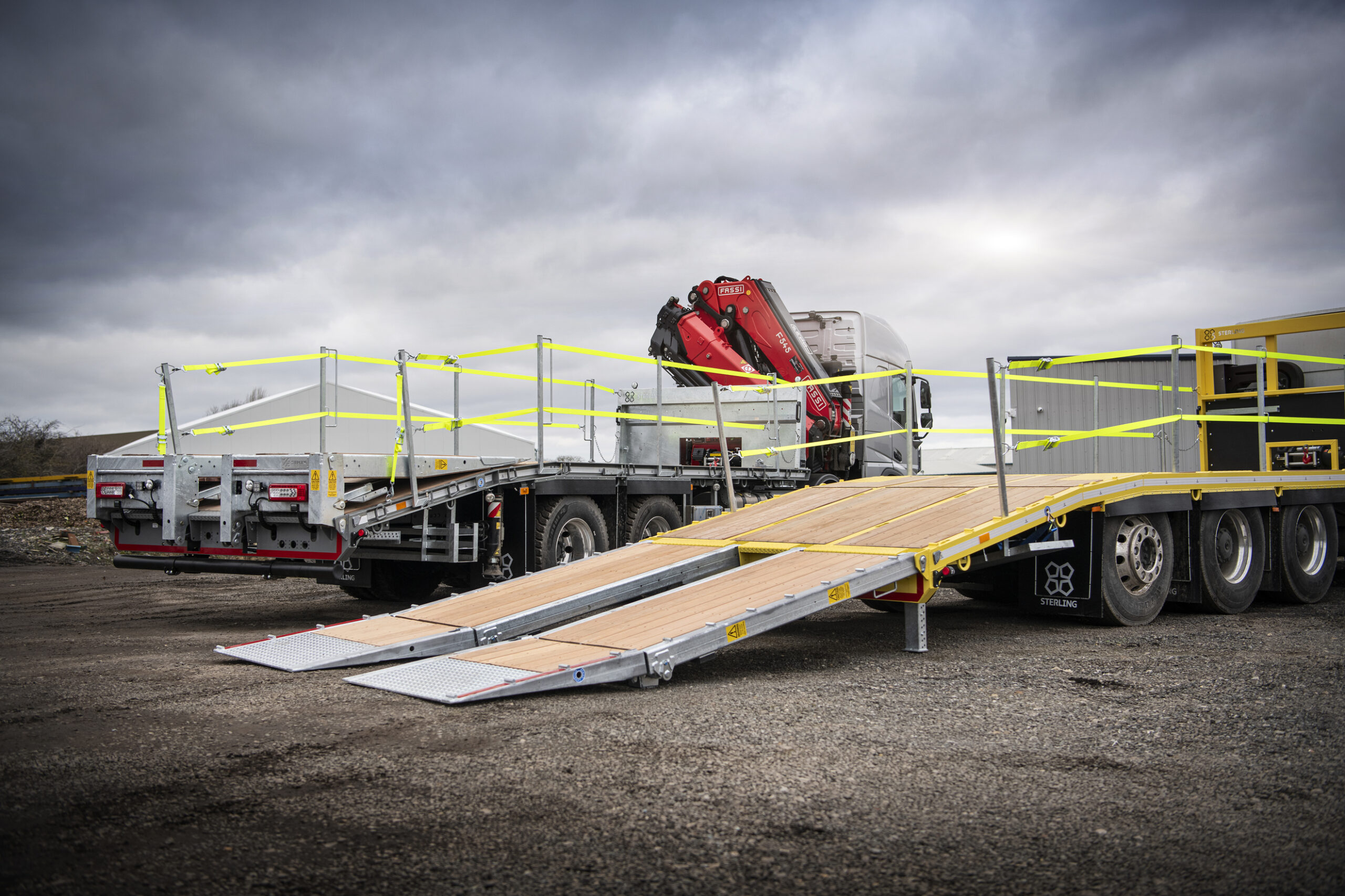
The beavertail design of flatbed trucks allows for easy loading and unloading of equipment without the need for additional machinery or tools. This is especially beneficial for construction crews, landscapers, and other industries that frequently need to transport heavy equipment from one location to another. Instead of having to maneuver a forklift or crane to load and unload items, workers can simply drive the equipment onto the flatbed using the ramp at the rear of the truck.

One of the key advantages of flatbed beavertail trucks is their ability to accommodate a wide range of equipment sizes and shapes. The flatbed platform provides a large, open space for items to be loaded, while the beavertail ramp allows for easy access to the bed. This means that even oversized or irregularly shaped items can be transported without the need for specialized trailers or equipment.

In addition to their versatility in loading and unloading equipment, flatbed beavertail trucks are also known for their durability and reliability. These trucks are built to withstand heavy use and rough conditions, making them an ideal choice for industries that require frequent transportation of large, heavy items. The solid construction of flatbed beavertail trucks ensures that they can handle the weight and size of heavy equipment without compromising safety or performance.

Another benefit of flatbed beavertail trucks is their efficiency in transportation. Unlike traditional trailers that require additional equipment for loading and unloading, flatbed beavertail trucks are designed for quick and easy access to the bed. This means that workers can load and unload equipment faster, saving time and increasing productivity on the job site. In industries where time is of the essence, the efficiency of flatbed beavertail trucks can make a significant difference in getting projects completed on schedule.

The versatility of flatbed beavertail trucks extends beyond their use in construction and landscaping industries. These trucks are also commonly used in the transportation of vehicles, such as cars, trucks, and other motorized equipment. The beavertail design allows for easy loading and unloading of vehicles without the need for additional equipment, making flatbed trucks an ideal choice for auto transport companies and car dealerships.

flatbed beavertail trucks are also popular in the agricultural industry for transporting heavy machinery, such as tractors, combine harvesters, and other farm equipment. The open design of the flatbed platform allows for easy loading and unloading of large, heavy items, while the beavertail ramp provides quick access to the bed. This makes flatbed trucks an essential tool for farmers and agricultural workers who need to transport equipment between fields or to repair shops.

In conclusion, flatbed beavertail trucks are a versatile and efficient option for industries that require frequent transportation of heavy equipment and machinery. Their innovative design allows for easy loading and unloading of items without the need for additional equipment, making them a cost-effective and practical choice for businesses of all sizes. Whether used in construction, landscaping, auto transport, agriculture, or other industries, flatbed beavertail trucks are sure to make the transportation process smoother and more efficient.

The Benefits Of Choosing A Professional Van Company

When it comes to moving or transporting goods, hiring a professional van company like van company can make a significant difference in the overall experience. Whether you are moving to a new home or office, need to transport goods for your business, or require assistance with event logistics, relying on a reputable van company can save you time, money, and stress. In this article, we will explore the benefits of choosing a professional van company for your transportation needs.

Reliability and Efficiency

One of the main advantages of hiring a professional van company is their reliability and efficiency. Professional van companies have trained drivers who are experienced in navigating various types of roads and traffic conditions. They are familiar with the best routes to get to your destination quickly and safely, saving you time and hassle.

Additionally, professional van companies have well-maintained vehicles that are equipped to handle different types of goods and materials. This ensures that your belongings are transported securely and arrive at their destination in the same condition they were picked up. With a professional van company, you can rest assured that your goods are in safe hands.

Cost-Effectiveness

Contrary to popular belief, hiring a professional van company can actually be cost-effective in the long run. While it may seem cheaper to rent a van and move your goods yourself, there are hidden costs such as fuel, insurance, and potential damages to consider. With a professional van company, you are quoted a fixed price upfront, so you know exactly how much you will be paying without any surprises.

Furthermore, professional van companies offer different package options based on your needs and budget. Whether you require a small van for a quick delivery or a larger vehicle for a full-scale move, you can choose a package that suits your requirements. This flexibility allows you to save money by paying only for the services you need.

Professionalism and Customer Service

Another benefit of choosing a professional van company is their professionalism and high level of customer service. From the moment you make a booking to the completion of the job, professional van companies strive to provide excellent service to their customers. They are responsive to your inquiries, punctual with their timings, and courteous in their interactions.

Professional van companies also value their reputation and work hard to maintain high standards of service. They take pride in their work and go above and beyond to ensure that your transportation needs are met efficiently and effectively. By choosing a professional van company, you can expect a smooth and hassle-free experience from start to finish.

Safety and Security

When it comes to transporting goods, safety and security are paramount. Professional van companies prioritize the safety of your goods and ensure that they are handled with care throughout the transportation process. From loading and unloading to secure storage during transit, professional van companies follow strict protocols to protect your belongings.

In addition, professional van companies are fully insured, so you can have peace of mind knowing that your goods are covered in the event of any unforeseen incidents. This added layer of protection gives you confidence that your belongings are in safe hands when you choose a professional van company for your transportation needs.

In conclusion, hiring a professional van company like van company for your transportation needs offers a range of benefits including reliability, efficiency, cost-effectiveness, professionalism, customer service, safety, and security. Whether you are moving to a new location, need to transport goods for your business, or require assistance with event logistics, a professional van company can make the process smooth and stress-free. So next time you need to transport goods, consider outsourcing the job to a professional van company and experience the difference for yourself.

Exploring The Benefits Of BIM Model Architecture

In recent years, Building Information Modeling (BIM) has revolutionized the way architects, engineers, and construction professionals work on projects BIM model architecture has become an essential tool in the industry, offering numerous benefits that streamline the design and construction process

So, what exactly is BIM model architecture? BIM is a digital representation of the physical and functional characteristics of a building It allows professionals to create a 3D model of a building that includes information about its materials, dimensions, spatial relationships, and more This information can then be used throughout the entire lifecycle of a building, from design and construction to operation and maintenance.

One of the key benefits of BIM model architecture is its ability to improve collaboration and communication among project teams By creating a centralized digital model of a building, architects, engineers, and contractors can work together more efficiently and effectively They can share information in real-time, identify and resolve conflicts early in the design process, and coordinate their efforts to ensure that the project is completed on time and within budget.

Another advantage of BIM model architecture is its ability to improve design quality and accuracy With a detailed 3D model of the building, designers can visualize the project more accurately and identify potential issues before construction begins This helps to reduce the risk of errors and costly delays, ultimately resulting in a better-designed building that meets the client’s needs and expectations.

BIM model architecture also offers benefits in terms of cost and time savings By leveraging the information stored in the BIM model, project teams can make more informed decisions about materials, construction methods, and scheduling This helps to reduce waste, minimize rework, and increase efficiency throughout the construction process bim model architecture. In addition, BIM can help to streamline project delivery by allowing teams to work concurrently rather than sequentially, which can shorten project timelines and reduce overall costs.

Furthermore, BIM model architecture can improve sustainability in the built environment By integrating energy analysis and environmental simulation tools into the BIM model, designers can evaluate the environmental performance of a building and explore ways to make it more sustainable This can lead to the implementation of energy-efficient design strategies, the use of sustainable materials, and the reduction of the building’s carbon footprint.

Overall, BIM model architecture offers numerous benefits to architects, engineers, contractors, and building owners From improved collaboration and communication to enhanced design quality and accuracy, BIM can help to streamline the design and construction process, save time and money, and improve the sustainability of buildings.

In conclusion, BIM model architecture is a powerful tool that is transforming the way buildings are designed, constructed, and operated By creating detailed 3D models of buildings that include information about their materials, dimensions, and spatial relationships, BIM can improve collaboration, communication, design quality, and sustainability in the built environment As the industry continues to embrace and adopt BIM technology, we can expect to see even greater advancements in the way buildings are designed and constructed in the future

With its multitude of benefits, BIM model architecture is becoming an essential tool for professionals in the architecture, engineering, and construction industry Its ability to improve collaboration, design quality, cost savings, and sustainability make it a valuable asset for any project Whether you are an architect looking to streamline your design process or a contractor aiming to enhance project delivery, BIM model architecture can help you achieve your goals and create better buildings for the future

The Future Of Efficiency: Tail Spend Automation

In today’s fast-paced business world, efficiency is key. Companies are constantly seeking ways to streamline their processes, cut costs, and maximize their resources. One area that is often overlooked when it comes to efficiency is tail spend. Tail spend refers to the small, one-off purchases that organizations make, often on non-strategic items or services. These purchases can add up quickly and ultimately account for a significant portion of a company’s overall spend.

Tail spend can be a major headache for procurement teams. It is often decentralized, with individual departments or employees making purchases without going through the proper channels. This lack of visibility and control can lead to maverick spending, missed opportunities for consolidation and volume discounts, and ultimately, higher costs for the organization as a whole.

However, there is a solution on the horizon: tail spend automation. Tail spend automation involves the use of technology and software to streamline and optimize the tail spend procurement process. By automating tasks such as vendor selection, purchase approvals, and invoice processing, companies can gain better visibility into their tail spend, identify opportunities for cost savings, and ultimately improve their bottom line.

One of the key benefits of tail spend automation is increased efficiency. By automating repetitive and time-consuming tasks, procurement teams can free up valuable time to focus on more strategic initiatives. Automation can also help to eliminate errors and reduce the need for manual intervention, leading to faster and more accurate purchasing processes.

Another benefit of tail spend automation is improved visibility and control. By centralizing the tail spend procurement process, companies can gain better insights into their spending habits, identify areas of waste, and implement measures to address them. Automation can also help to enforce compliance with corporate purchasing policies and ensure that all purchases are made through approved vendors.

Cost savings are another major advantage of tail spend automation. By consolidating tail spend purchases and leveraging volume discounts, companies can lower their overall procurement costs. Automation can also help to identify opportunities for supplier consolidation and renegotiation, further driving down costs.

In addition to cost savings, tail spend automation can also help to improve supplier relationships. By consolidating purchases with a smaller number of vendors, companies can build stronger partnerships and negotiate better terms. Automation can also help to ensure that vendors are paid on time and in full, increasing trust and reliability.

Implementing tail spend automation may seem daunting, but the benefits far outweigh the costs. Companies can choose from a variety of software solutions that cater to their specific needs and budget. These solutions typically integrate with existing ERP systems and can be customized to fit the unique requirements of each organization.

Ultimately, tail spend automation is not just a cost-saving measure; it is a strategic investment in the future of a company. By streamlining the tail spend procurement process, companies can gain a competitive edge, improve their bottom line, and position themselves for long-term success.

In conclusion, tail spend automation is the future of efficiency in procurement. By leveraging technology and software to streamline and optimize the tail spend procurement process, companies can gain better visibility, control, and cost savings. Implementing tail spend automation may require an initial investment, but the long-term benefits make it a worthwhile endeavor. Companies that embrace tail spend automation will be well-positioned to succeed in today’s competitive business environment.

Ensuring Compliance And Security With Geocomply BetMGM

In the world of online gambling and sports betting, ensuring compliance with strict regulations and maintaining security of player data is essential This is where geolocation technology comes into play, specifically through a service known as Geocomply BetMGM.

Geocomply BetMGM is a geolocation service that is specifically designed for online gambling and sports betting operators This service helps these operators ensure that their players are within the legal jurisdiction to place bets, as well as safeguarding the integrity of their platforms.

One of the key features of Geocomply BetMGM is its ability to accurately pinpoint the location of a player at any given time This is done through a combination of geolocation technology, IP address tracking, and other methods to ensure that players are physically located within the boundaries of the approved gambling area By verifying the player’s location, operators can prevent individuals from outside the authorized region from accessing the platform and placing bets illegally.

In addition to enforcing legal compliance, Geocomply BetMGM also helps operators protect the security of their platforms and the personal information of their players By accurately verifying the location of each player, the risk of fraudulent activity and account hacking is greatly reduced This gives players peace of mind knowing that their personal and financial information is safe and secure while gambling online.

Furthermore, Geocomply BetMGM helps operators maintain the integrity of their operations by preventing players from using virtual private networks (VPNs) or other methods to bypass geolocation restrictions geocomply betmgm. This ensures that all bets placed on the platform are done so by legitimate players who are complying with the rules and regulations set forth by the jurisdiction.

For operators, utilizing Geocomply BetMGM can also help streamline the registration process for new players By automatically verifying a player’s location upon sign-up, operators can expedite the registration process and get players into the action faster This not only improves the overall user experience but also reduces the risk of allowing unauthorized players to access the platform.

Overall, Geocomply BetMGM plays a crucial role in the online gambling and sports betting industry by ensuring compliance with regulations, protecting the security of player data, and maintaining the integrity of the platform By utilizing this advanced geolocation technology, operators can confidently provide a safe and secure environment for players to enjoy their favorite games and place bets online.

In conclusion, Geocomply BetMGM is a valuable tool for online gambling and sports betting operators looking to stay ahead of the game in terms of compliance and security By accurately verifying player locations, preventing fraud and unauthorized access, and streamlining the registration process, operators can create a trustworthy and reliable platform for players to enjoy As the industry continues to evolve, geolocation technology like Geocomply BetMGM will play an increasingly important role in ensuring a safe and secure online gambling experience for all.

Navigating The Impact Of Sick Pay Changes

Navigating the Impact of sick pay changes

In recent years, there have been significant changes to sick pay policies in many workplaces. These changes can have a profound impact on employees, businesses, and the overall economy. As the landscape of sick pay continues to evolve, it is important for employers and employees alike to understand these changes and their implications.

One of the most notable changes to sick pay policies in recent years has been the shift towards paid sick leave. This means that employees are entitled to receive payment for any days they are unable to work due to illness. In the past, many businesses only offered unpaid sick leave, which could create financial strain for employees who were already dealing with medical costs. The move towards paid sick leave aims to provide a safety net for workers and ensure that they can focus on their health without worrying about lost wages.

However, while paid sick leave is a positive development for many employees, it can also present challenges for businesses. Small businesses, in particular, may struggle to cover the costs of providing paid sick leave to their employees. This can lead to increased operational costs and potentially impact the overall financial health of the business. As a result, some businesses may be forced to make tough decisions about staffing levels and benefits in order to remain competitive.

Another significant change to sick pay policies is the increasing trend towards mandating sick pay at the federal and state levels. In recent years, several states have passed laws requiring employers to provide a certain number of paid sick days to their employees. These laws are designed to protect workers and ensure that they have access to the benefits they need to recover from illness. While these mandates are well-intentioned, they can create compliance challenges for businesses, especially those operating in multiple states with different sick leave requirements.

The rise of remote work has also had an impact on sick pay policies. As more employees work from home, the lines between work and personal life have become increasingly blurred. This can make it challenging for employers to track and manage sick leave, especially when employees are not physically present in the office. Additionally, remote work can create new challenges for employees who may feel pressure to work even when they are sick, out of fear of falling behind or being perceived as less productive.

Navigating these changes to sick pay policies requires a proactive and strategic approach from both employers and employees. For employers, this means staying informed about the latest sick pay laws and regulations, and taking steps to ensure compliance with these requirements. It also means being mindful of the financial implications of providing paid sick leave, and finding ways to balance the needs of employees with the needs of the business.

For employees, navigating sick pay changes means understanding their rights and entitlements under the law, and advocating for themselves when needed. It also means taking steps to prioritize their health and well-being, even in a work culture that may not always prioritize self-care. By communicating openly with their employers and taking advantage of the resources available to them, employees can ensure that they are able to take the time they need to recover from illness without facing financial hardship.

In conclusion, the changing landscape of sick pay policies presents both opportunities and challenges for employers and employees alike. While paid sick leave can provide important benefits for workers, it can also create financial strain for businesses. Mandated sick pay laws aim to protect employees, but can also create compliance burdens for employers. Remote work has added new complexities to managing sick leave, requiring both employers and employees to be proactive in finding solutions that work for everyone. By staying informed, communicating openly, and prioritizing health and well-being, both employers and employees can successfully navigate the impact of sick pay changes in the workplace.

Understanding Empty Rates On Listed Buildings

Listed buildings hold a special place in our architectural history, providing a glimpse into our cultural heritage and showcasing the craftsmanship of a bygone era However, owning a listed building comes with its own set of challenges, one of which is the issue of empty rates Empty rates on listed buildings can be a major financial burden for property owners, but understanding the complexities surrounding this issue can help mitigate the costs and preserve these important structures for future generations.

Listed buildings are properties that have been designated as having special architectural or historic significance and are therefore protected by law from alterations or demolition without permission There are three grades of listed buildings in the UK – Grade I, Grade II*, and Grade II – with Grade I buildings being the most historically significant and Grade II buildings being of local importance These listings are aimed at preserving our architectural heritage and ensuring that these buildings are maintained for posterity.

Empty rates, on the other hand, are taxes imposed on properties that are unoccupied for an extended period of time The goal of empty rates is to encourage property owners to bring their buildings back into use and reduce the number of empty properties in the UK However, when it comes to listed buildings, the issue of empty rates becomes more complex due to the restrictions imposed by their protected status.

One of the main challenges faced by owners of empty listed buildings is that the building may be unoccupiable due to its listed status Listed buildings often require special care and maintenance to preserve their historical features, which can be costly and time-consuming This means that owners may struggle to find suitable tenants or buyers for the property, leaving it empty and vulnerable to empty rates.

Furthermore, listed buildings are subject to additional planning regulations and restrictions that can make it difficult to repurpose the property for modern use empty rates listed buildings. For example, owners may be limited in their ability to make structural alterations or upgrades to the building, making it less appealing to potential occupants and increasing the likelihood of it remaining empty.

When it comes to empty rates on listed buildings, there are some exemptions and reliefs that owners can apply for to help alleviate the financial burden For example, if the property is undergoing repair or structural work, owners may be able to claim a temporary exemption from empty rates Additionally, owners of Grade II listed buildings may be eligible for a 50% discount on their empty rates bill, while Grade I and Grade II* listed buildings are exempt from any empty rate charges.

However, navigating the complex regulations surrounding empty rates on listed buildings can be challenging, and many owners may struggle to access the relief they are entitled to Seeking professional advice from a chartered surveyor or property specialist can help owners understand their options and take steps to reduce their empty rates liability.

In addition to seeking exemptions and reliefs, there are other strategies that owners of empty listed buildings can employ to mitigate the impact of empty rates For example, owners may consider leasing the property to a community group or charity on a short-term basis to qualify for an exemption from empty rates Alternatively, owners could explore alternative revenue streams, such as hosting events or offering guided tours of the property, to generate income and help cover the cost of empty rates.

Ultimately, preserving our listed buildings for future generations is a collective responsibility that requires cooperation between property owners, local authorities, and heritage organizations By understanding the complexities of empty rates on listed buildings and taking proactive steps to address this issue, we can ensure that these important structures are maintained and protected for years to come.

In conclusion, empty rates on listed buildings present a unique challenge for property owners, but by seeking exemptions, exploring alternative revenue streams, and working with experts in the field, owners can minimize the financial burden and preserve these important structures for future generations Protecting our architectural heritage is a collective effort that requires careful planning and consideration, but the rewards of maintaining these historic buildings for future generations are immeasurable.

The Revolutionary Technology Of Laser Cutting

In the world of manufacturing and design, precision is key Every detail matters, and every cut must be perfect That’s where laser cutting comes in Laser cutting is a technology that has revolutionized the way we create and produce goods It allows for incredibly precise cuts that are virtually impossible to achieve through traditional methods Let’s take a closer look at this groundbreaking technology.

Laser cutting works by using a high-powered laser beam to cut material such as metal, wood, plastic, and more The beam is focused through a lens and directed onto the material, where it melts, burns, or vaporizes the material in a controlled manner The result is a precise, clean cut that is free of any burrs or imperfections.

One of the main advantages of laser cutting is its ability to cut intricate shapes with incredible precision Unlike traditional cutting methods such as sawing or shearing, which can result in jagged edges and imperfections, laser cutting produces smooth, clean cuts every time This makes it ideal for creating intricate designs and patterns that would be impossible to achieve with other methods.

Another key advantage of laser cutting is its speed and efficiency The laser beam can cut through material at a much faster rate than traditional cutting methods, significantly reducing production time This allows manufacturers to produce large quantities of parts in a short amount of time, increasing productivity and reducing costs.

Laser cutting is also extremely versatile It can be used to cut a wide range of materials, from metals to plastics to ceramics the laser cutting. This makes it an essential tool for industries such as automotive, aerospace, and electronics, where precision is critical.

The technology behind laser cutting continues to evolve and improve, with new advancements being made all the time One of the most recent innovations in laser cutting is the introduction of fiber lasers Fiber lasers are more efficient and powerful than traditional CO2 lasers, allowing for even faster cutting speeds and higher levels of precision.

Despite its many advantages, laser cutting does have some limitations For example, certain materials, such as reflective metals like copper and aluminum, can be difficult to cut with a laser beam In these cases, other cutting methods may be more suitable Additionally, the initial cost of purchasing a laser cutting machine can be high, making it a significant investment for smaller businesses.

However, for those who can afford it, laser cutting can offer a wide range of benefits Not only does it improve the quality and accuracy of cuts, but it also increases productivity and reduces waste By minimizing the need for secondary finishing processes and reducing the risk of errors, laser cutting can help businesses save time and money in the long run.

In conclusion, laser cutting is a revolutionary technology that has transformed the manufacturing and design industries By offering unparalleled precision, speed, and efficiency, laser cutting has become an essential tool for businesses looking to stay competitive in today’s fast-paced world As the technology continues to advance, we can only imagine the endless possibilities that laser cutting will bring in the future.

So, if you’re looking for a cutting-edge solution for your manufacturing needs, look no further than laser cutting Its precise, fast, and versatile capabilities make it a valuable asset for any business looking to take their production to the next level With laser cutting, the sky’s the limit.

Navigating Legal Waters: Understanding Employment Law Services

employment law services are a crucial aspect of ensuring compliance and protection for both employers and employees in the workplace. These services encompass a wide range of legal areas, including hiring processes, workplace policies, discrimination and harassment prevention, wage and hour laws, and termination procedures. Navigating these legal waters can be complicated and overwhelming, which is why many businesses and individuals seek the guidance of employment law services to ensure they are in compliance with the law and protect their rights.

One of the primary functions of employment law services is to help businesses establish and maintain legal compliance in their hiring processes. This includes drafting employment contracts that outline the rights and responsibilities of both the employer and employee, as well as ensuring that job postings, interviews, and job offers comply with anti-discrimination laws. employment law services also assist with creating and implementing workplace policies that address important issues such as harassment, discrimination, safety, and confidentiality.

In addition to compliance with hiring processes and workplace policies, employment law services also play a critical role in ensuring that businesses are in compliance with wage and hour laws. These laws govern issues such as minimum wage, overtime pay, meal and rest breaks, and pay stub requirements. Inaccurate classification of employees as exempt or non-exempt from overtime pay, misclassification of independent contractors, or failing to provide employees with proper meal and rest breaks can result in costly legal disputes and penalties for employers. employment law services help businesses navigate these complex laws to avoid legal pitfalls and ensure fair treatment of employees.

Another key function of employment law services is to assist businesses with termination procedures. Terminating an employee can be a delicate and legally risky process, as wrongful termination claims can result in costly lawsuits and damage to a company’s reputation. Employment law services help businesses navigate the termination process by ensuring that the termination is conducted legally and fairly, and by advising on issues such as severance pay, notice requirements, and protection of trade secrets.

For employees, employment law services provide invaluable support and protection in cases of discrimination, harassment, wrongful termination, or wage and hour violations. Employment law attorneys can help employees understand their legal rights, negotiate settlements with employers, and represent them in court if necessary. These services are especially important for employees who may not have the resources or knowledge to protect their rights on their own.

Overall, employment law services are essential for both employers and employees to navigate the complex legal landscape of the workplace. By seeking the guidance of experienced employment law attorneys, businesses can ensure compliance with the law, protect their rights, and avoid costly legal disputes. Likewise, employees can rely on these services to protect their rights, seek justice in cases of discrimination or harassment, and ensure fair treatment in the workplace.

In conclusion, employment law services are a vital resource for businesses and individuals seeking to navigate the legal complexities of the workplace. From establishing legal compliance in hiring processes and workplace policies, to ensuring fair treatment of employees and protecting their rights, these services play a crucial role in promoting a safe and fair working environment for all. Whether you are a business owner looking to protect your company from legal liabilities, or an employee seeking justice for workplace violations, employment law services can provide the guidance and support you need to navigate legal waters with confidence.

Exploring Tuscan Treasures: Truffle Hunting Tours In Tuscany

Tuscany, located in central Italy, is renowned for its stunning landscapes, rich history, and exquisite cuisine. One of the region’s best-kept secrets is its bountiful truffle population. Truffles are a culinary delicacy prized for their unique flavor and aroma, making them a sought-after ingredient in gourmet dishes around the world. To experience the thrill of truffle hunting and indulge in the freshest truffles, consider embarking on a truffle hunting tour in Tuscany.

Truffle hunting tours in Tuscany offer visitors the opportunity to immerse themselves in the region’s natural beauty while learning about the age-old tradition of truffle hunting. Truffles grow underground near the roots of certain trees, such as oak, hazelnut, and beech trees. To locate these elusive fungi, truffle hunters employ highly trained truffle-sniffing dogs or pigs, whose keen sense of smell can detect the truffles hidden beneath the forest floor.

During a truffle hunting tour, participants have the chance to accompany experienced truffle hunters and their loyal canine companions as they venture into the woods in search of these prized treasures. The excitement of the hunt, the thrill of uncovering a prized truffle, and the joy of forging a deeper connection with nature make truffle hunting tours in tuscany a truly unforgettable experience.

In addition to the thrill of the hunt, truffle hunting tours in tuscany also offer visitors the opportunity to learn about the art of truffle cultivation and the culinary uses of these exquisite fungi. Truffles are valued for their distinct earthy flavor and are often used to enhance the taste of various dishes, including pasta, risotto, and eggs. Upon returning from the hunt, participants can enjoy a hands-on truffle cooking class led by a local chef, where they can learn how to incorporate truffles into traditional Tuscan recipes and savor the delicious results.

One of the most popular destinations for truffle hunting tours in tuscany is the charming town of San Miniato, known as the “Truffle Capital of Tuscany.” San Miniato is home to a rich truffle tradition and hosts an annual truffle festival in November, where visitors can sample a variety of truffle-infused dishes and purchase fresh truffles from local vendors. A visit to San Miniato offers a unique opportunity to experience the magic of truffle hunting in a picturesque setting and immerse oneself in the rich culinary heritage of Tuscany.

For those seeking a more personalized truffle hunting experience, private truffle hunting tours are also available in Tuscany. These exclusive tours offer a bespoke experience tailored to the preferences of the participants, allowing them to explore the lush Tuscan countryside at their own pace and discover hidden truffle treasures with the guidance of a knowledgeable truffle hunter. Whether you are a seasoned truffle enthusiast or a first-time truffle hunter, a private truffle hunting tour in Tuscany promises an unforgettable adventure filled with discovery and culinary delights.

In addition to the thrill of the hunt and the culinary experiences, truffle hunting tours in Tuscany also provide a unique opportunity to connect with the local culture and heritage of the region. Truffles have been an integral part of Tuscan cuisine for centuries, and the tradition of truffle hunting has been passed down through generations of truffle hunters who have mastered the art of locating these elusive fungi in the wild. By participating in a truffle hunting tour, visitors can gain insight into the cultural significance of truffles in Tuscany and forge lasting connections with the local community.

Overall, truffle hunting tours in Tuscany offer a multifaceted experience that combines adventure, education, and gastronomy in a picturesque setting. Whether you are a food enthusiast, a nature lover, or simply curious about the world of truffles, a truffle hunting tour in Tuscany is sure to captivate your senses and leave you with lasting memories of this unique culinary treasure. So why not embark on a truffle hunting adventure in Tuscany and discover the magic of these elusive fungi for yourself?